 All India Robotics Association (AIRA)

Semicon 1.0: building domestic capabilities
A documented external example, with engineering lessons for India’s robotics ecosystem.
Challenge
Robotics depends on dependable domestic and global electronics supply chains.
Technology and approach
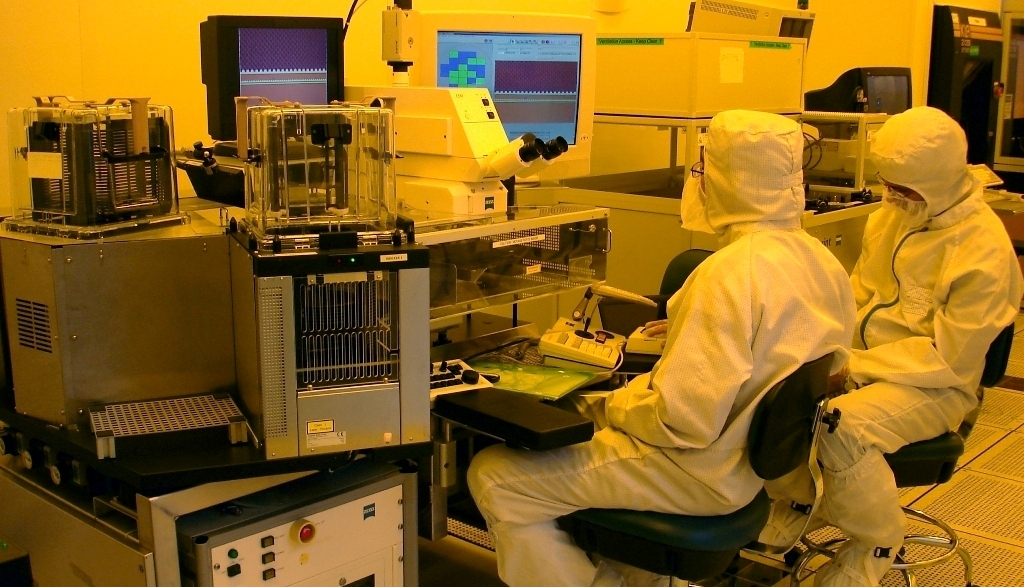
Government schemes support semiconductor fabrication, packaging, sensors and chip design.
Documented result
The PIB overview reports 12 approved manufacturing units and five in commercial production at the time of publication; approvals are not equivalent to operational capacity.
Lessons for the AIRA ecosystem
Map robotics-specific component requirements and supplier qualification; track verified production readiness.
Original evidence
All case studiesEngineering lessons and next steps
Engineering questions
Robotics OEMs require dependable processors, power devices, sensing and embedded controls that meet environmental, thermal and long-lifecycle needs.
Validation approach
Use documented requirements, component qualification, manufacturing traceability and lifecycle testing. Distinguish approved facilities from operational production.
Builder opportunity
Explore embedded board design, motor control, sensor fusion and industrial hardware validation. Work with semiconductor and electronics institutions on practical robotics requirements.
Your next step starts here.
Tell AIRA what you want to build, learn or contribute. Find the right pathway within India’s robotics ecosystem.